Freq Box simplifies this process by offering a complete database of satellite channel frequencies, covering all major satellites and providing users with detailed technical data such as frequency numbers, polarization, and symbol rates. The platform turns complex information into an easy-to-follow guide.
Beyond just providing numbers, Freq Box explains the practical implications of frequency changes and how adjustments can affect signal quality. Viewers can learn how to optimize their receivers and troubleshoot minor issues without unnecessary complications.
The platform caters to everyone—from casual viewers looking to access new content to satellite enthusiasts seeking in-depth technical insights. Clear explanations and structured layouts make even advanced information approachable for all users.
Regular updates ensure that users stay informed about newly launched channels, relocated broadcasts, and any modifications in satellite coverage. This proactive approach prevents interruptions and keeps viewing experiences smooth.
Freq Box also includes practical tips, tutorials, and visual guides to help users implement the information effectively. This combination of real-time data and actionable guidance ensures that navigating satellite frequencies becomes straightforward.
Ultimately, Freq Box empowers viewers to enjoy satellite television with confidence. By offering accurate, up-to-date, and user-friendly information, it guarantees uninterrupted access to global content while making satellite management easier than ever.
Freq Box serves as a comprehensive hub for viewers seeking the latest satellite frequency details. From major regional satellites to international networks, the platform provides precise data on channel transmission parameters, including frequency bands, polarization types, and symbol rates, all curated for easy reference.
Beyond simply listing numbers and values, Freq Box offers context and guidance on how these changes affect reception. Viewers gain insight into aligning their receivers, troubleshooting common issues, and maintaining consistent signal quality without unnecessary interruptions.
The platform is designed for a wide audience, from casual television watchers exploring new channels to enthusiasts and technicians who require in-depth technical specifications. Every update is presented with clarity to ensure information can be applied effectively.
With continuous monitoring of satellite activity, Freq Box keeps users informed about channel launches, relocations, and frequency adjustments. This proactive approach helps viewers anticipate changes and maintain seamless access to their preferred content.
Practical tips, tutorials, and visual guides further enhance the experience, allowing users to manage their satellite setups confidently. By combining real-time data with actionable instructions, the platform transforms complex broadcasting details into manageable information.
Ultimately, Freq Box empowers audiences to fully embrace the possibilities of satellite television. Accurate, up-to-date, and easy-to-use, it provides a reliable companion for exploring channels across the globe while ensuring a smooth and enjoyable viewing experience.
Freq Box provides a reliable and centralized platform for discovering the latest satellite channel frequencies. The site delivers detailed technical information, including frequency values, polarization, and symbol rates, presented in a way that is easy for both beginners and advanced users to understand and apply.
Beyond just numbers, Freq Box explains how changes in satellite transmissions affect reception, offering practical guidance for adjusting equipment and troubleshooting issues. With this knowledge, viewers can enjoy their favorite channels seamlessly while exploring new content across multiple satellites.
Freq Box offers a complete solution by providing accurate and up-to-date information on channel frequencies across all major satellites. The platform presents technical details such as frequency numbers, polarization, and symbol rates in a clear, organized manner that anyone can follow.
What sets Freq Box apart is its focus on practicality. The platform not only lists frequencies but also explains how changes affect reception, guiding users through adjustments and troubleshooting to maintain consistent signal quality.
Designed for both casual viewers and dedicated satellite enthusiasts, Freq Box delivers information that is accessible yet thorough. Beginners can easily find the data they need, while advanced users can dive deeper into technical specifics for optimal setup.
Regular monitoring and real-time updates keep viewers informed about new channel launches, frequency relocations, and satellite coverage changes. This ensures that audiences never miss their favorite programs or important broadcasts.
Beyond data, Freq Box provides step-by-step instructions, tips, and tutorials to help users implement changes effectively. This practical guidance transforms complex technical information into actionable insights.
By combining accuracy, clarity, and continuous updates, Freq Box empowers viewers to enjoy satellite television confidently. It allows users to explore global channels seamlessly while keeping their satellite systems running smoothly.
Freq Box provides a centralized platform for up-to-date satellite frequency information. It offers comprehensive details such as channel frequencies, polarization, symbol rates, and satellite coverage, all presented in an easy-to-understand format.
Beyond technical listings, Freq Box explains how changes in satellite transmissions impact signal quality and reception. Users can apply this information to optimize their receivers and troubleshoot common issues effectively.
The platform caters to both casual viewers and technical enthusiasts. Beginners can quickly find the information they need, while advanced users can access detailed specifications to fine-tune their satellite systems for the best possible experience.
By offering continuous updates, practical guidance, and clear explanations, Freq Box ensures viewers stay informed about new channels and frequency adjustments. This empowers users to enjoy satellite television confidently and without interruption.
Freq Box provides a reliable and centralized platform for discovering the latest satellite channel frequencies. The site delivers detailed technical information, including frequency values, polarization, and symbol rates, presented in a way that is easy for both beginners and advanced users to understand and apply.
Beyond just numbers, Freq Box explains how changes in satellite transmissions affect reception, offering practical guidance for adjusting equipment and troubleshooting issues. With this knowledge, viewers can enjoy their favorite channels seamlessly while exploring new content across multiple satellites.
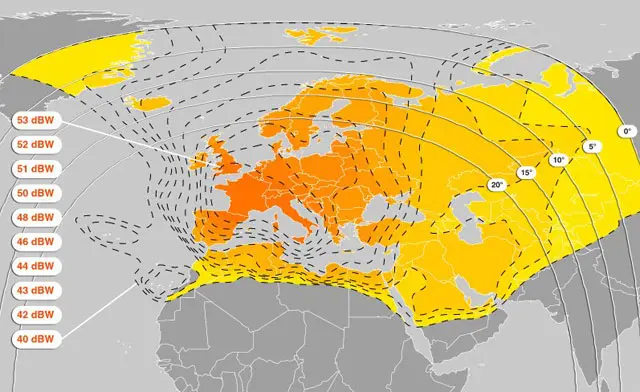
Hotbird is one of the most widely used communication satellites for broadcasting television and radio channels across Europe, the Middle East, and parts of North Africa.
Since its launch in 1995, the Hotbird satellite fleet has played a significant role in providing a wide variety of content, including free-to-air, subscription-based channels, and internet services.
With its strategic orbital position and advanced technology, Hotbird has established itself as a leader in the satellite broadcasting industry.
🚀 On the subject of Hotbird
Hotbird is operated by Eutelsat, one of the world’s leading satellite operators. The Hotbird satellite fleet consists of multiple satellites, such as Hotbird 13C, Hotbird 13B, and Hotbird 13E, which are positioned at 13° East longitude. This prime location allows Hotbird to provide coverage across large parts of Europe, the Middle East, and North Africa.
Hotbird offers an extensive array of services, including:
-
Television channels: A variety of TV channels, including news, sports, entertainment, and educational programming.
-
Radio broadcasting: Both FM and satellite radio services.
-
Data and internet services: Reliable internet and communication links for businesses and individuals.
-
Corporate communications: Private communication channels for corporate and government use.
🌐 Hotbird’s Satellite Fleet
The Hotbird fleet includes several satellites positioned in the same orbital slot at 13° East, which gives it an exceptional ability to serve a large area of coverage.
Key satellites in the Hotbird fleet include:
-
Hotbird 13B
-
Hotbird 13C
-
Hotbird 13E
-
Hotbird 13F (Upcoming)
These satellites are equipped with high-powered transponders that deliver a wide range of services across the broadcast and telecommunication sectors.
🛰️ Frequencies and Services on Hotbird
Hotbird offers services through several frequency bands, including the Ku-band and Ka-band. These frequencies are used for different purposes:
-
Ku-band: The most common frequency for satellite TV and radio services. It offers high-quality transmission with smaller dishes and supports high-definition (HD) channels and internet services.
-
Ka-band: Used for high-capacity data services and satellite internet, offering faster speeds and lower latency.
Hotbird’s wide range of frequencies enables users to access hundreds of television channels, radio stations, and internet services across a broad area.
📡 How to Receive Hotbird Signals
To receive signals from the Hotbird satellite, users need a satellite dish that is properly aligned to the 13° East orbital position. The dish should be connected to a compatible receiver, which will allow the user to tune in to the correct frequencies.
Common Hotbird Frequencies:
-
Hotbird 13C Frequency:
-
Frequency: 11.647 GHz (Horizontal)
-
Symbol Rate: 27500
-
FEC: 3/4
-
-
Hotbird 13B Frequency:
-
Frequency: 12.722 GHz (Vertical)
-
Symbol Rate: 27500
-
FEC: 3/4
-
These frequencies are used for a variety of services, including satellite TV channels, radio stations, and data transmission.
For precise information on the frequencies and satellite settings, FreqSatellite is an excellent resource that provides updated details for users looking to tune their satellite systems to Hotbird’s services.
Hotbird is a major player in satellite broadcasting, offering wide-reaching coverage and reliable services across Europe, the Middle East, and North Africa. Its fleet of satellites provides a broad range of services, including television, radio, internet, and data transmission, making it a key player in the communication industry.
If you are looking to set up a satellite system to receive Hotbird signals or need the latest frequency updates, FreqSatellite offers the most comprehensive guides and settings for all your satellite needs.
Understanding technical parameters such as frequency values, polarization, symbol rates, and satellite positions provides viewers with the knowledge necessary to optimize their receivers. This technical insight helps maintain strong signal strength, high-quality video, and crystal-clear audio. It also ensures that users can make precise adjustments to their equipment when signals are weak or when atmospheric conditions affect satellite reception. By mastering these details, viewers gain control over their satellite systems and can enjoy a superior television experience regardless of the complexity of their setup.
Regularly monitoring satellite updates ensures that audiences are aware of new channel launches, temporary frequency shifts, or permanent transponder relocations. Being proactive in tracking these updates prevents unexpected disruptions in programming and allows viewers to continue watching live broadcasts without interruption. Additionally, this knowledge helps audiences stay ahead of schedule, ensuring they never miss critical events or popular programs, whether they are live sports matches, international news, or exclusive entertainment shows.
In addition to frequency data, understanding how changes impact reception empowers users to troubleshoot common technical issues independently. Viewers can make adjustments to dish alignment, receiver settings, and other system components without relying on professional assistance. This autonomy not only saves time and financial resources but also fosters confidence in managing satellite television systems. By having the right tools and knowledge, users can overcome typical reception problems quickly and efficiently.
Access to comprehensive and accurate frequency information also opens doors to discovering a wide variety of global content. Users can explore international channels and programming that may not be available locally, including foreign films, documentaries, educational content, and live broadcasts from different countries. This expanded access enriches the viewing experience, allowing audiences to enjoy diverse entertainment options and gain exposure to global perspectives while staying connected to cultural, educational, and news content worldwide.
Managing multiple satellites and receivers simultaneously can be a complex task, but with organized, detailed, and structured frequency information, the process becomes significantly easier. Users can coordinate settings across multiple receivers to ensure that each channel performs optimally. This is particularly valuable for households with several viewing locations, shared systems, or advanced setups requiring precise alignment and configuration. Having access to comprehensive data reduces trial and error, enhances efficiency, and guarantees that every channel functions smoothly without signal loss or degradation.
Practical guides, tutorials, and visual instructions further enhance the user experience. Step-by-step directions for aligning dishes, configuring receivers, and implementing frequency changes simplify technical procedures. These resources are particularly helpful for beginners, providing actionable guidance that transforms complex satellite setup tasks into manageable steps. Even experienced users benefit from detailed instructions, which ensure accuracy, minimize errors, and allow users to maximize the performance of their satellite systems.
Staying informed and proactive regarding frequency updates also helps viewers plan their viewing schedules effectively. By knowing when new channels are launched, frequencies are adjusted, or temporary changes occur, audiences can schedule live viewing, recordings, and favorite program marathons with confidence. This level of preparedness prevents frustration, ensures access to important broadcasts, and enhances overall enjoyment by giving users full control over their entertainment experience.
Ultimately, having accurate, comprehensive, and up-to-date frequency information empowers viewers to enjoy satellite television to its fullest potential. Seamless access, high-quality reception, and a diverse selection of programming become easily achievable. By combining technical knowledge, practical guidance, and proactive monitoring, users can maintain uninterrupted viewing, explore new content, and overcome technical challenges, ensuring that satellite television remains a reliable, enjoyable, and enriching experience for audiences worldwide.
Having detailed and precise information about frequencies, polarization, and symbol rates allows users to optimize their receivers efficiently. This ensures a stable signal, high-quality video, and clear audio for all channels across multiple satellites.
Regular monitoring of satellite updates keeps viewers informed about new channel launches, relocations, and temporary adjustments. Being proactive helps prevent unexpected interruptions and ensures that audiences can follow live broadcasts seamlessly.
Technical understanding empowers users to troubleshoot minor reception issues independently. By knowing how to adjust equipment and interpret changes, viewers can maintain consistent access without depending on professional assistance.
Updated frequency data also opens the door to exploring new content. Audiences can discover international channels, diverse programming, and special broadcasts that may not be accessible without timely and accurate information.
Managing multiple satellites and receivers becomes easier with structured and comprehensive information. Users can coordinate setups efficiently, ensuring that every channel functions optimally across different rooms or devices.
Beyond numbers and technical parameters, practical guides, tutorials, and tips enhance the user experience. Clear instructions help viewers align dishes, configure receivers, and adapt to changes without frustration.
Ultimately, staying informed, proactive, and equipped with accurate frequency data guarantees a seamless satellite television experience. Viewers can enjoy diverse content, uninterrupted broadcasts, and reliable performance across all satellites with confidence.
Even small changes in frequencies or transponder settings can impact signal quality. Being aware of these updates allows viewers to adjust their equipment and maintain consistent access to their favorite content.
Understanding technical aspects like polarization, symbol rates, and satellite positions gives users greater control over their satellite setups. This knowledge helps optimize reception and ensures better picture and sound quality.
Regular updates provide an opportunity to discover newly launched channels. Viewers can expand their viewing options and access a wider range of entertainment, sports, news, and educational programming.
Proactively monitoring frequency changes prevents interruptions. Being prepared for satellite adjustments ensures that broadcasts remain uninterrupted, even during shifts in transmission settings.
Having clear and precise frequency information empowers viewers to troubleshoot issues independently. Users can make adjustments without needing professional assistance, saving both time and effort.
Satellite broadcasting continues to evolve, with new technologies improving coverage and signal stability. Staying informed helps users take advantage of these advancements for a better viewing experience.
Following updates also allows viewers to track temporary changes in satellite transmissions. This ensures that short-term disruptions do not affect their ability to watch important programs.
Technical knowledge enhances the satellite experience for enthusiasts and casual viewers alike. Understanding how signals work and how adjustments affect reception provides confidence and control.
Being aware of channel relocations and frequency shifts helps maintain continuity. Viewers can follow their favorite shows and avoid missing any part of live broadcasts or scheduled programs.
Access to reliable data allows users to explore global content efficiently. They can tune into international channels and enjoy diverse programming from multiple regions without confusion.
Practical guides and tutorials complement raw frequency data. These resources help viewers implement changes correctly, ensuring that equipment is properly aligned and tuned for optimal performance.
Monitoring multiple satellites simultaneously can be complex, but accurate information simplifies the process. Users can manage multiple receivers and channels effectively, avoiding technical difficulties.
Continuous access to updated frequencies ensures a stress-free viewing experience. Viewers can enjoy high-quality reception without interruptions and explore new content confidently.
Ultimately, staying informed, attentive, and proactive allows audiences to enjoy satellite television to its fullest. Accurate, real-time frequency data guarantees seamless access to a wide variety of channels, enhancing entertainment, information, and educational experiences for viewers around the world.
Having detailed and precise information about frequencies, polarization, and symbol rates allows users to optimize their receivers efficiently. This ensures a stable signal, high-quality video, and clear audio for all channels across multiple satellites.
Regular monitoring of satellite updates keeps viewers informed about new channel launches, relocations, and temporary adjustments. Being proactive helps prevent unexpected interruptions and ensures that audiences can follow live broadcasts seamlessly.
Technical understanding empowers users to troubleshoot minor reception issues independently. By knowing how to adjust equipment and interpret changes, viewers can maintain consistent access without depending on professional assistance.
Updated frequency data also opens the door to exploring new content. Audiences can discover international channels, diverse programming, and special broadcasts that may not be accessible without timely and accurate information.
Managing multiple satellites and receivers becomes easier with structured and comprehensive information. Users can coordinate setups efficiently, ensuring that every channel functions optimally across different rooms or devices.
Beyond numbers and technical parameters, practical guides, tutorials, and tips enhance the user experience. Clear instructions help viewers align dishes, configure receivers, and adapt to changes without frustration.
Ultimately, staying informed, proactive, and equipped with accurate frequency data guarantees a seamless satellite television experience. Viewers can enjoy diverse content, uninterrupted broadcasts, and reliable performance across all satellites with confidence.
Understanding technical parameters such as frequency values, polarization, symbol rates, and satellite positions provides viewers with the knowledge necessary to optimize their receivers. This technical insight helps maintain strong signal strength, high-quality video, and crystal-clear audio. It also ensures that users can make precise adjustments to their equipment when signals are weak or when atmospheric conditions affect satellite reception. By mastering these details, viewers gain control over their satellite systems and can enjoy a superior television experience regardless of the complexity of their setup.
Regularly monitoring satellite updates ensures that audiences are aware of new channel launches, temporary frequency shifts, or permanent transponder relocations. Being proactive in tracking these updates prevents unexpected disruptions in programming and allows viewers to continue watching live broadcasts without interruption. Additionally, this knowledge helps audiences stay ahead of schedule, ensuring they never miss critical events or popular programs, whether they are live sports matches, international news, or exclusive entertainment shows.
In addition to frequency data, understanding how changes impact reception empowers users to troubleshoot common technical issues independently. Viewers can make adjustments to dish alignment, receiver settings, and other system components without relying on professional assistance. This autonomy not only saves time and financial resources but also fosters confidence in managing satellite television systems. By having the right tools and knowledge, users can overcome typical reception problems quickly and efficiently.
Access to comprehensive and accurate frequency information also opens doors to discovering a wide variety of global content. Users can explore international channels and programming that may not be available locally, including foreign films, documentaries, educational content, and live broadcasts from different countries. This expanded access enriches the viewing experience, allowing audiences to enjoy diverse entertainment options and gain exposure to global perspectives while staying connected to cultural, educational, and news content worldwide.
Managing multiple satellites and receivers simultaneously can be a complex task, but with organized, detailed, and structured frequency information, the process becomes significantly easier. Users can coordinate settings across multiple receivers to ensure that each channel performs optimally. This is particularly valuable for households with several viewing locations, shared systems, or advanced setups requiring precise alignment and configuration. Having access to comprehensive data reduces trial and error, enhances efficiency, and guarantees that every channel functions smoothly without signal loss or degradation.
Practical guides, tutorials, and visual instructions further enhance the user experience. Step-by-step directions for aligning dishes, configuring receivers, and implementing frequency changes simplify technical procedures. These resources are particularly helpful for beginners, providing actionable guidance that transforms complex satellite setup tasks into manageable steps. Even experienced users benefit from detailed instructions, which ensure accuracy, minimize errors, and allow users to maximize the performance of their satellite systems.
Staying informed and proactive regarding frequency updates also helps viewers plan their viewing schedules effectively. By knowing when new channels are launched, frequencies are adjusted, or temporary changes occur, audiences can schedule live viewing, recordings, and favorite program marathons with confidence. This level of preparedness prevents frustration, ensures access to important broadcasts, and enhances overall enjoyment by giving users full control over their entertainment experience.
Ultimately, having accurate, comprehensive, and up-to-date frequency information empowers viewers to enjoy satellite television to its fullest potential. Seamless access, high-quality reception, and a diverse selection of programming become easily achievable. By combining technical knowledge, practical guidance, and proactive monitoring, users can maintain uninterrupted viewing, explore new content, and overcome technical challenges, ensuring that satellite television remains a reliable, enjoyable, and enriching experience for audiences worldwide.