
Changes in channel frequencies and transponder settings happen regularly, and even minor adjustments can affect signal quality. Viewers need reliable, up-to-date information to ensure their receivers are properly tuned and ready for optimal performance.
Freq Box is designed to provide this essential information, offering comprehensive coverage of TV channel frequencies across all major satellites. The platform delivers precise technical details, including frequency values, polarization, symbol rates, and satellite coverage areas, all in an organized and user-friendly format.
The platform goes beyond simple listings by offering insights into how frequency changes and satellite movements impact reception. This guidance helps users make informed adjustments to their equipment and avoid common technical issues.
Freq Box caters to both casual viewers and satellite enthusiasts. Beginners can follow step-by-step instructions for tuning their receivers, while advanced users can access detailed technical data to fine-tune their setups for the best possible quality.
By providing continuous updates and monitoring satellite broadcasts, Freq Box ensures that viewers are always aware of new channels, frequency shifts, and other important changes. This keeps their satellite systems fully functional and up-to-date at all times.
Ultimately, Freq Box empowers viewers to enjoy a seamless and enriched satellite television experience. With accuracy, clarity, and ease of use, the platform makes accessing and exploring channels across multiple satellites simple and reliable.
Freq Box offers a complete solution by providing accurate and up-to-date information on channel frequencies across all major satellites. The platform presents technical details such as frequency numbers, polarization, and symbol rates in a clear, organized manner that anyone can follow.
What sets Freq Box apart is its focus on practicality. The platform not only lists frequencies but also explains how changes affect reception, guiding users through adjustments and troubleshooting to maintain consistent signal quality.
Designed for both casual viewers and dedicated satellite enthusiasts, Freq Box delivers information that is accessible yet thorough. Beginners can easily find the data they need, while advanced users can dive deeper into technical specifics for optimal setup.
Regular monitoring and real-time updates keep viewers informed about new channel launches, frequency relocations, and satellite coverage changes. This ensures that audiences never miss their favorite programs or important broadcasts.
Beyond data, Freq Box provides step-by-step instructions, tips, and tutorials to help users implement changes effectively. This practical guidance transforms complex technical information into actionable insights.
By combining accuracy, clarity, and continuous updates, Freq Box empowers viewers to enjoy satellite television confidently. It allows users to explore global channels seamlessly while keeping their satellite systems running smoothly.
Freq Box provides a centralized platform for up-to-date satellite frequency information. It offers comprehensive details such as channel frequencies, polarization, symbol rates, and satellite coverage, all presented in an easy-to-understand format.
Beyond technical listings, Freq Box explains how changes in satellite transmissions impact signal quality and reception. Users can apply this information to optimize their receivers and troubleshoot common issues effectively.
The platform caters to both casual viewers and technical enthusiasts. Beginners can quickly find the information they need, while advanced users can access detailed specifications to fine-tune their satellite systems for the best possible experience.
By offering continuous updates, practical guidance, and clear explanations, Freq Box ensures viewers stay informed about new channels and frequency adjustments. This empowers users to enjoy satellite television confidently and without interruption.
Freq Box serves as a comprehensive hub for viewers seeking the latest satellite frequency details. From major regional satellites to international networks, the platform provides precise data on channel transmission parameters, including frequency bands, polarization types, and symbol rates, all curated for easy reference.
Beyond simply listing numbers and values, Freq Box offers context and guidance on how these changes affect reception. Viewers gain insight into aligning their receivers, troubleshooting common issues, and maintaining consistent signal quality without unnecessary interruptions.
The platform is designed for a wide audience, from casual television watchers exploring new channels to enthusiasts and technicians who require in-depth technical specifications. Every update is presented with clarity to ensure information can be applied effectively.
With continuous monitoring of satellite activity, Freq Box keeps users informed about channel launches, relocations, and frequency adjustments. This proactive approach helps viewers anticipate changes and maintain seamless access to their preferred content.
Practical tips, tutorials, and visual guides further enhance the experience, allowing users to manage their satellite setups confidently. By combining real-time data with actionable instructions, the platform transforms complex broadcasting details into manageable information.
Ultimately, Freq Box empowers audiences to fully embrace the possibilities of satellite television. Accurate, up-to-date, and easy-to-use, it provides a reliable companion for exploring channels across the globe while ensuring a smooth and enjoyable viewing experience.
Changes in channel frequencies and transponder settings happen regularly, and even minor adjustments can affect signal quality. Viewers need reliable, up-to-date information to ensure their receivers are properly tuned and ready for optimal performance.
Freq Box is designed to provide this essential information, offering comprehensive coverage of TV channel frequencies across all major satellites. The platform delivers precise technical details, including frequency values, polarization, symbol rates, and satellite coverage areas, all in an organized and user-friendly format.
The platform goes beyond simple listings by offering insights into how frequency changes and satellite movements impact reception. This guidance helps users make informed adjustments to their equipment and avoid common technical issues.
Freq Box caters to both casual viewers and satellite enthusiasts. Beginners can follow step-by-step instructions for tuning their receivers, while advanced users can access detailed technical data to fine-tune their setups for the best possible quality.
By providing continuous updates and monitoring satellite broadcasts, Freq Box ensures that viewers are always aware of new channels, frequency shifts, and other important changes. This keeps their satellite systems fully functional and up-to-date at all times.
Ultimately, Freq Box empowers viewers to enjoy a seamless and enriched satellite television experience. With accuracy, clarity, and ease of use, the platform makes accessing and exploring channels across multiple satellites simple and reliable.
Freq Box provides a reliable and centralized platform for discovering the latest satellite channel frequencies. The site delivers detailed technical information, including frequency values, polarization, and symbol rates, presented in a way that is easy for both beginners and advanced users to understand and apply.
Beyond just numbers, Freq Box explains how changes in satellite transmissions affect reception, offering practical guidance for adjusting equipment and troubleshooting issues. With this knowledge, viewers can enjoy their favorite channels seamlessly while exploring new content across multiple satellites.
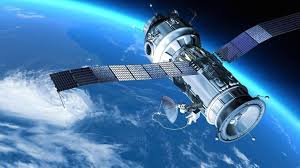
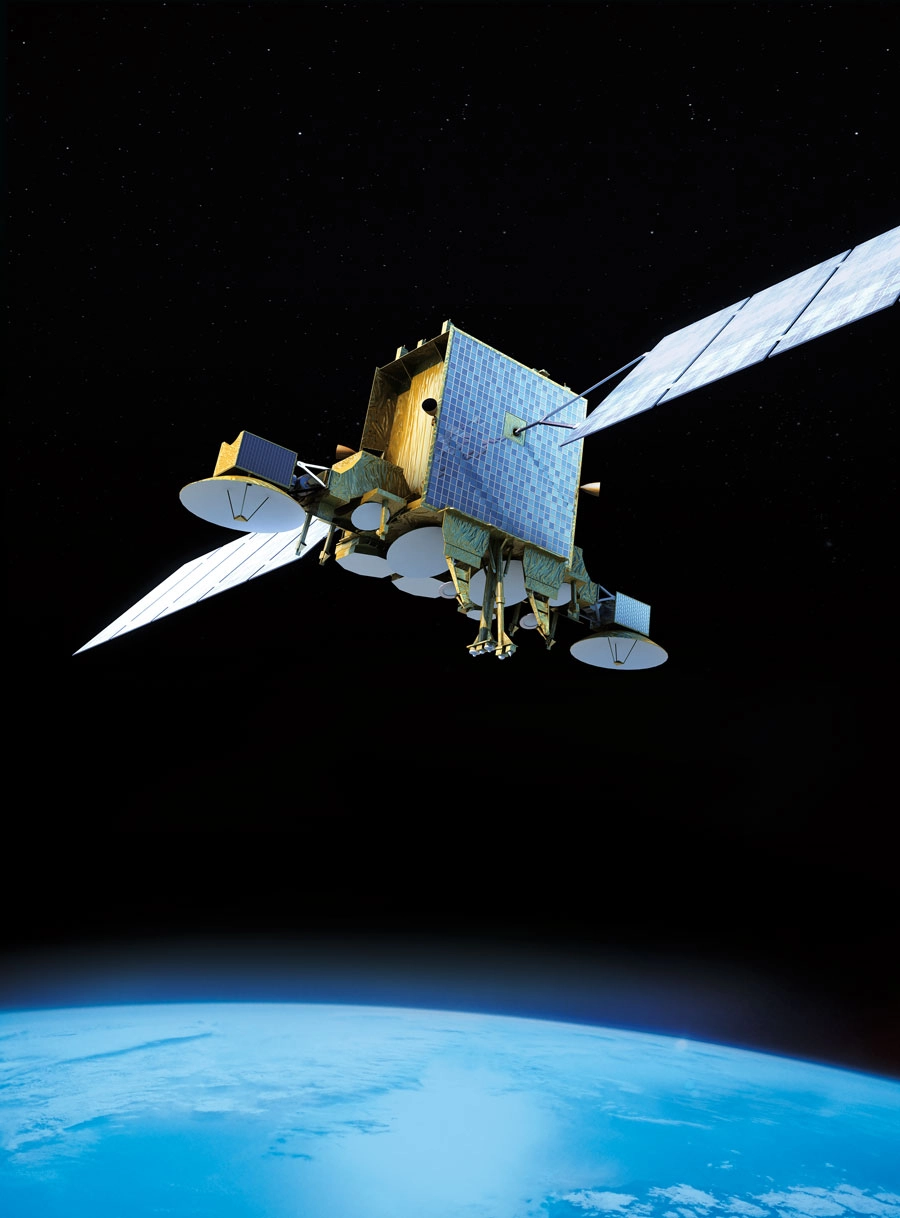
The Thor satellite system, masterfully orchestrated by Space Norway, stands as a beacon of innovation in global satellite communications, illuminating Europe, the Middle East, North Africa (MENA), and beyond with unparalleled broadcasting and connectivity.
Anchored at the prime orbital slot of 0.8° to 1° West, the Thor fleet—comprising Thor 5, Thor 6, Thor 7, Intelsat 10-02, and the forthcoming Thor 8—delivers over 1,000 television and radio channels 📡 to 18 million households.
From vibrant DTH broadcasts to high-speed maritime broadband, Thor is a trailblazer in connecting people, cultures, and industries.
This article dives into the Thor system’s cutting-edge technology, its transformative impact, key frequency details for tuning, and expert tips for seamless reception as of July 2025.
Why Thor Shines Bright 🌟
-
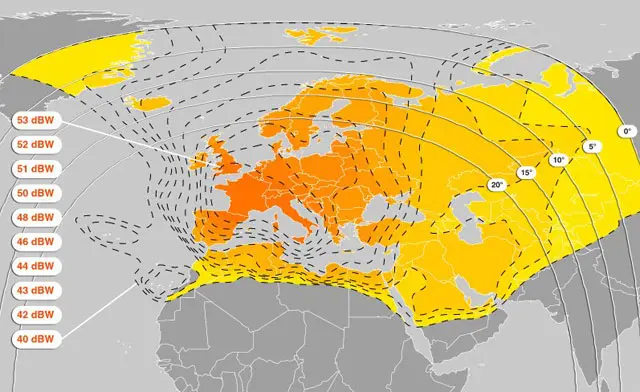
Global Reach 🌍: Blankets the Nordics, Central and Eastern Europe, the Middle East, and maritime hubs like the North Sea, Baltic Sea, and Mediterranean with Ku- and Ka-band beams.
-
Broadcasting Brilliance 📺: Streams crystal-clear HD and SD channels, featuring global giants like BBC, Disney, and Eurosport, captivating audiences with stunning visuals.
-
Maritime Mastery ⚓: Powers high-speed broadband for ships and offshore platforms, boosting crew welfare and operational excellence with 2–6 Mbps uplink speeds.
-
Technological Vanguard 🚀: Harnesses advanced payloads, including Thor 7’s Ka-band high-throughput satellite (HTS) and Thor 8’s dual-purpose design for commercial and government use.
-
Versatile Access 🔓: Offers a blend of free-to-air and encrypted channels, ensuring inclusivity for diverse viewers and broadcasters.
The Thor Fleet: A Constellation of Excellence 🛰️
Space Norway’s Thor satellites are a testament to engineering prowess, evolving to meet the demands of modern connectivity. Here’s a closer look at the fleet as of July 2025:
-
Thor 5 🌠: Launched in February 2008 aboard a Proton-M rocket by Orbital Sciences Corporation, Thor 5 operates on the STAR-2 platform with 24 Ku-band transponders (3.6 kW power). Positioned at 1° West, it powers DTH television and telecommunications across the Nordics, Europe, and the Middle East, remaining a steadfast pillar of the fleet.
-
Thor 6 (Intelsat 1W) 📡: Launched in October 2009 via an Ariane 5 rocket by Thales Alenia Space, Thor 6 leverages the Spacebus-4000B2 platform with 36 Ku-band transponders (16 for Nordics, 20 for Central/Eastern Europe). Stationed at 0.8° West, it succeeded Thor 3, supporting DTH and broadband services, with Intelsat leasing 10 transponders.
-
Thor 7 🌊: Launched in April 2015 by Space Systems/Loral (SSL) on an Ariane 5 rocket, Thor 7 is a multi-mission marvel with 11 Ku-band transponders for broadcasting and 25 Ka-band spot beams for maritime broadband. Covering the North Sea, Red Sea, Baltic Sea, Persian Gulf, and Mediterranean, it delivers 2–6 Mbps uplinks and is positioned at 1° West, with a lifespan beyond 2030.
-
Thor 10-02 (Intelsat 10-02) 🔧: Launched in June 2004 by Thales Alenia Space, this satellite, co-operated with Intelsat, received a groundbreaking mission extension in 2021 via Northrop Grumman’s Mission Extension Vehicle-2 (MEV-2). At 1° West, it supports broadcasting and connectivity across Europe and the Middle East.
-
Thor 8 (Future) 🔮: Commissioned in 2025 from Thales Alenia Space, Thor 8 is a dual-use satellite with Ku- and Ka-band payloads, set for launch around 2028.
-
It will elevate broadcasting in the Nordics and Central/Eastern Europe while enhancing maritime and government connectivity across EMEA, with a 15-year lifespan.
Frequency Guide for Thor Satellites 📡
Thor satellites power Nordic and European broadcasters, delivering channels like Cartoon Network, BBC Earth, and TV2 Hungary.
Frequency for Thor Satellites 📊
|
Satellite |
Frequency |
Polarization |
Symbol Rate |
FEC |
Coverage |
Details |
|---|---|---|---|---|---|---|
|
Thor 5 |
11265 MHz |
Horizontal (H) |
25000 kS/s |
3/4 |
Nordics, Europe, Middle East |
DVB-S2, 8PSK, Canal Digital Beam T1, HDTV/SD, scrambled/free-to-air. 📺 |
|
Thor 6 |
10809 MHz |
Vertical (V) |
25000 kS/s |
3/4 |
Nordics, Central/Eastern Europe |
DVB-S2, 8PSK, HDTV/SD, scrambled/free-to-air, K1/K2 beams. 📡 |
|
Thor 7 |
12245 MHz |
Horizontal (H) |
30000 kS/s |
5/6 |
Europe, Middle East |
DVB-S2, Ku-band, HDTV/SD, scrambled/free-to-air, broadcasting beam. 📻 |
|
Thor 10-02 |
11305 MHz |
Vertical (V) |
27500 kS/s |
3/4 |
Europe, Middle East |
DVB-S2, HDTV/SD, scrambled/free-to-air, Intelsat beam. 📽️ |
Key Information 🔍
-
Coverage Reach 🌍: Thor 5, 6, and 10-02 deliver Ku-band broadcasting to the Nordics, Central/Eastern Europe, and parts of the Middle East. Thor 7’s Ka-band supports maritime broadband in the North Sea, Red Sea, Baltic Sea, Persian Gulf, and Mediterranean.
-
Frequency Precision ✅: Use the listed transponders for current channel lineups. Avoid outdated frequencies like 11785 MHz (Vertical, FEC 7/8) on Thor 5 or 11389 MHz (Horizontal) on Thor 6, which may no longer be active.
-
Emirates TV Note 🚫: As of July 2025, Emirates TV is not broadcast on Thor. For Emirates TV, tune to Nilesat (12226 MHz, Vertical, 27500 kS/s, FEC 5/6, HD, DVB-S2), Arabsat (11804 MHz, Horizontal, 27500 kS/s, FEC 3/4, SD, DVB-S), or Hot Bird (11747 MHz, Vertical, 27500 kS/s, FEC 3/4, SD, DVB-S).
-
Access Options 🔓: Thor offers free-to-air and scrambled channels (e.g., Canal Digital, Allente). Scrambled channels may require a compatible receiver with decryption (e.g., Conax).
Mastering Reception: Tips for Optimal Performance 📡
To capture Thor’s signals (0.8° W or 1° W) with flawless clarity, follow these expert tips for superior reception:
-
Dish Size 📏: Opt for a 70-100 cm dish in the Nordics and Central Europe. For the Middle East or fringe areas (e.g., southern Europe, North Africa), a 100-150 cm dish ensures robust signal strength.
-
Precision Alignment 🧭: Align your dish to 0.8° West or 1° West using a satellite finder or mobile apps. Clear obstructions like buildings or trees for an unobstructed line of sight.
-
LNB Compatibility 🔌: Use a Universal Ku-band LNB (9.75/10.6 GHz) for Thor 5, 6, and 10-02 Ku-band transponders, or a Ka-band LNB for Thor 7’s maritime services. Verify receiver support for DVB-S and DVB-S2.
-
Signal Strength 📶: Aim for 70% or higher signal quality (98% optimal) on your receiver’s meter to eliminate pixelation. Fine-tune LNB skew for maximum performance.
-
Weather Resilience ☔: Protect against signal loss in heavy rain or snow by securing your dish and ensuring LNB caps are watertight.
-
Coverage Verification 🗺️: Confirm your location falls within Thor’s beam (Nordics, Europe, MENA, or maritime zones) for reliable reception.
Tuning Thor Satellites: A Step-by-Step Guide 📺
Adding Thor’s channels to your satellite receiver is seamless with these steps, compatible with most receivers (e.g., Strong, Humax, Starsat), though menu labels may vary.
-
Access the Menu ⚙️: Press “Menu” or “Settings” on your remote, then navigate to “Installation,” “Channel Search,” or “Antenna Setup.”
-
Select Manual Scan 🔎: Choose “Manual Scan,” “Manual Installation,” or “Add Transponder,” then select “Add TP” or “Edit Transponder.”
-
Choose Your Satellite 🛰️: Select Thor 5, Thor 6, Thor 7, or Intelsat 10-02 (Thor 10-02) at 0.8° West or 1° West. If unavailable, manually enter the orbital position (0.8° W or 1° W).
-
Input Transponder Settings 📋: Enter settings from the frequency table (e.g., 11265 MHz, Horizontal, 25000 kS/s, 3/4 for Thor 5). Verify accuracy.
-
Run the Scan 🔄: Press “Scan,” “Search,” or “OK.” Select “FTA Only” for free-to-air channels or “All Channels” for all options. Wait 1-3 minutes for completion.
-
Save Channels 💾: Press “Save” or “OK” to store channels like “TV2 HD” or “BBC Earth” in your list.
-
Fine-Tune Signal 🔧: Adjust dish azimuth and elevation if the signal is weak, targeting 70-98% strength. Check LNB skew and cables.
-
Test Playback 📺: Select a channel to confirm clear playback. Consult a professional installer if issues persist.
Receiver Tips 🔌:
-
Enable “LNB Power” on Strong receivers (e.g., SRT 4950) in the “Transponder” menu.
-
Set LNB to “Universal” for Ku-band or specify Ka-band for Thor 7 on Humax or Starsat.
-
Use default PINs (e.g., 0000, 1234) if prompted; check your manual.
Thor’s Global Impact and Future Horizon 🌟
The Thor satellite system redefines connectivity and broadcasting:
-
Broadcasting Powerhouse 📡: Streams over 1,000 digital TV and radio channels via platforms like Allente, serving broadcasters like Viacom, Disney, and TV2 Hungary.
-
Maritime Innovation ⚓: Thor 7’s Ka-band delivers 2–6 Mbps broadband to ships and offshore platforms, enhancing crew welfare and operational efficiency.
-
Sustainability Pioneer ♻️: Thor 10-02’s 2021 mission extension via MEV-2 set a global benchmark for satellite servicing, extending life and reducing debris.
-
Thor 8’s Vision 🔮: Launching in 2028, Thor 8 will bolster Ku- and Ka-band services, supporting broadcasting, maritime, and government needs with a 15-year lifespan.
-
Integrated Ecosystem 🌐: Combines satellite, fiber, and terrestrial networks, supporting initiatives like Project Greensand for carbon storage in the North Sea.
Understanding frequency changes, polarization, and other technical parameters allows users to optimize their receivers and troubleshoot common reception issues effectively. By applying this knowledge, viewers can maintain consistent signal quality, avoid disruptions, and enjoy clear audio and video across all satellites.
Ultimately, keeping track of updates empowers audiences to explore a wider range of content, from entertainment and sports to news and educational programs. Accurate and up-to-date frequency information guarantees a smooth, reliable, and enjoyable satellite television experience for users around the world.
Understanding frequency changes and satellite adjustments allows users to optimize their receivers for the best possible signal quality. Even small modifications can impact reception, making awareness crucial for uninterrupted access.
Regular monitoring of satellite updates ensures that viewers are always aware of new channels, frequency relocations, and changes in coverage areas. This proactive approach prevents unexpected interruptions and keeps viewing seamless.
Having access to clear technical information also empowers viewers to troubleshoot issues independently. Users can make precise adjustments without relying on professional assistance, saving both time and effort.
Following satellite updates provides an opportunity to explore new channels and content from around the world. This helps expand entertainment options and keeps viewers connected to diverse programming.
Ultimately, staying vigilant and informed enables viewers to enjoy satellite television with confidence, convenience, and consistency. Accurate, up-to-date frequency information ensures a reliable and enjoyable viewing experience across all satellites.
Even minor adjustments in frequency, polarization, or transponder settings can significantly impact signal quality, leading to blurry images, frozen screens, or even complete loss of reception. By staying proactive and consulting reliable sources, viewers can quickly make the necessary changes to their receivers and enjoy optimal performance at all times.
Understanding technical parameters such as satellite positions, symbol rates, and signal strengths empowers users to optimize their equipment for maximum efficiency. With the right knowledge, even complex setups with multiple receivers can be adjusted accurately to deliver high-quality video and audio without interruptions.
Regularly monitoring frequency updates ensures that audiences gain immediate access to newly launched channels and updated broadcasts. This consistent awareness allows viewers to plan their entertainment schedules efficiently and discover new content that might otherwise remain unknown.
Being proactive in tracking satellite changes also prevents sudden disruptions in viewing experiences. Whether a transponder shift occurs or a satellite undergoes maintenance, timely information enables viewers to adjust their systems before encountering signal problems, maintaining uninterrupted access.
Clear, accurate, and detailed frequency information gives viewers the confidence to troubleshoot reception issues independently. By following practical guidance, users can resolve common problems without the need for professional technicians, saving both time and financial resources.
Satellite broadcasting technology continues to evolve at a rapid pace, introducing advanced methods to improve coverage, stability, and image quality. Staying informed about these innovations allows viewers to take full advantage of the latest developments, enhancing their overall experience.
Access to up-to-date frequency data also allows audiences to explore international channels and content from different regions around the world. This broadens entertainment choices and provides exposure to diverse programming that can include movies, sports, news, and educational material.
Frequency shifts and transponder relocations are a natural part of satellite broadcasting, but having timely updates allows viewers to react quickly. By adapting to these changes promptly, users can maintain consistent access and avoid any unnecessary interruptions in their favorite programs.
Technical knowledge and understanding of satellite systems empower enthusiasts to optimize multiple receivers simultaneously, ensuring that different rooms or setups receive high-quality signals at all times. This level of control is especially useful for households with complex entertainment systems.
Real-time monitoring of satellites provides critical insights into temporary broadcast changes, which might occur during maintenance, upgrades, or unexpected technical issues. Being aware of such temporary disruptions allows viewers to plan alternative access or make quick adjustments.
Understanding technical aspects benefits casual viewers as well, simplifying the process of tuning receivers, improving signal stability, and enhancing the overall viewing experience without requiring specialized expertise.
Having reliable data significantly reduces frustration, as users can implement adjustments with confidence rather than relying on guesswork or repeated trial-and-error attempts. This efficiency leads to a more enjoyable and stress-free television experience.
Continuous frequency updates allow viewers to organize their viewing schedules effectively. By knowing in advance when channels may shift or when new broadcasts are available, users can plan to watch live events or catch up on recorded programs without interruptions.
Practical guides, step-by-step tutorials, and visual instructions complement raw frequency data. These resources make it easier for users to align their dishes, adjust receivers, and maintain signal strength consistently, even in technically challenging scenarios.
Managing multiple satellites can seem daunting, but well-structured, accurate, and comprehensive information simplifies the process. Users can manage various channels and receivers efficiently, maintaining uninterrupted access and high-quality viewing across all setups.
Regular updates also highlight newly added channels, expanded programming, and special broadcasts. This allows viewers to explore content they might have otherwise missed, making the satellite experience more diverse and enjoyable.
Technical awareness fosters independence and self-sufficiency. Users gain the ability to manage reception problems, configure equipment, and troubleshoot issues without relying on professional assistance, providing both convenience and peace of mind.
Understanding how satellites operate and how signals are transmitted enables users to anticipate changes in coverage or frequency. This proactive approach ensures smoother viewing and reduces the risk of encountering unexpected interruptions.
Detailed frequency information ensures that viewers can enjoy high-quality video and audio. Properly tuned equipment reduces the likelihood of weak signals, image distortion, or sound interference, creating a consistently pleasant experience.
Staying informed empowers users to enjoy a wide array of global programming, including entertainment, sports, news, documentaries, and educational content. Knowledge of frequencies ensures uninterrupted access to all types of content from multiple regions.
Consistent access to accurate frequency data increases confidence in managing satellite setups. Viewers can explore channels efficiently, experiment with new content, and ensure that their systems are always tuned for optimal reception.
Awareness of how frequency adjustments affect reception allows users to respond quickly to any changes. By maintaining constant vigilance, viewers can ensure that important broadcasts or live events are never missed.
Being proactive transforms the television viewing experience into one that is stress-free, convenient, and reliable. Viewers can enjoy high-quality signals, smooth reception, and a wide variety of programming without interruptions.
Ultimately, informed and attentive viewers are empowered to make the most of satellite television. With accurate, up-to-date frequency data, they can seamlessly access global content, explore new channels, and enjoy uninterrupted entertainment across all satellites.
Understanding frequency changes and satellite adjustments allows users to optimize their receivers for the best possible signal quality. Even small modifications can impact reception, making awareness crucial for uninterrupted access.
Regular monitoring of satellite updates ensures that viewers are always aware of new channels, frequency relocations, and changes in coverage areas. This proactive approach prevents unexpected interruptions and keeps viewing seamless.
Having access to clear technical information also empowers viewers to troubleshoot issues independently. Users can make precise adjustments without relying on professional assistance, saving both time and effort.
Following satellite updates provides an opportunity to explore new channels and content from around the world. This helps expand entertainment options and keeps viewers connected to diverse programming.
Ultimately, staying vigilant and informed enables viewers to enjoy satellite television with confidence, convenience, and consistency. Accurate, up-to-date frequency information ensures a reliable and enjoyable viewing experience across all satellites.
Each satellite carries a unique set of channels with specific technical requirements. By learning how to interpret these parameters, viewers can ensure that every adjustment they make improves reception quality and minimizes interference, creating a viewing experience that is both smooth and immersive.
Emerging satellites and newly launched channels introduce a layer of complexity that can be overwhelming without proper guidance. Accessing detailed, timely information empowers audiences to take advantage of these additions and enjoy fresh content from around the globe.
Satellite frequency management is not only about numbers; it is also about understanding how changes ripple through the entire system. Recognizing patterns in transmission shifts helps users anticipate disruptions and make adjustments before viewing is affected.
Technical mastery over satellite reception fosters independence. Viewers no longer need to rely on technicians for routine tuning or problem-solving, as they gain the ability to troubleshoot and fine-tune their systems effectively.
Exploring international programming becomes effortless when frequency data is accurate and organized. Users can expand their entertainment options, discover niche channels, and experience diverse content without the frustration of trial and error.
The dynamics of signal strength, dish alignment, and transponder settings require careful observation and action. When approached with the right knowledge, these challenges transform into opportunities to achieve exceptional picture and sound quality across all channels.
Practical implementation of updates and technical adjustments ensures that viewers remain ahead of changes. Each update becomes an opportunity to optimize equipment, enhance reception, and maintain uninterrupted access, rather than a source of inconvenience or confusion.
By combining technical awareness, curiosity, and proactive management, satellite viewers can transform a potentially complicated system into a seamless source of entertainment and information. The ability to adapt to changes quickly creates a sense of control and satisfaction rarely found in other media formats.
Ultimately, mastery of satellite frequencies offers a rewarding experience where reliability, discovery, and technical confidence converge. Viewers gain not only access to a wide array of channels but also a deeper understanding of the systems that bring global content into their homes.